Together
for a better Future
Architecture as a tool to rediscover the potential of the People and the Land.
Build for Change is a non-profit organisation that partners with local architects and communities to co-design and construct schools and public spaces that nurture learning, dignity, and environmental sustainability.
Together, we create buildings that are rooted in local knowledge and truly belong to the people who use them.
Can you spot the Problem?
-
![A multi-story building under construction with visible concrete framework and brick walls, located on a city street with parked cars in the foreground.]()
Assam, India
-
![Construction site with a partially built multi-story building, construction materials, and several buses parked nearby. A person is walking on the sandy ground.]()
Kathmandu, Nepal
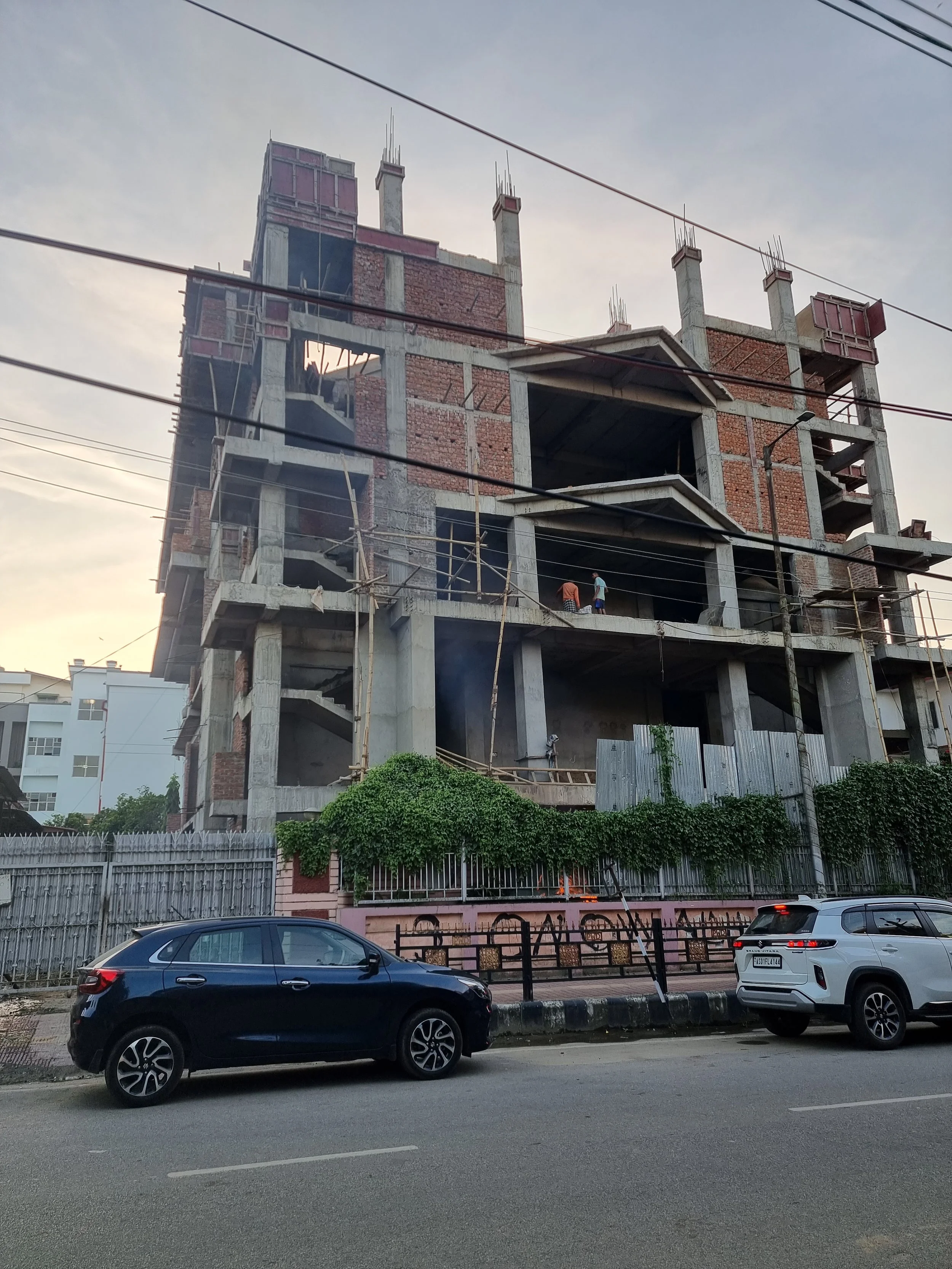
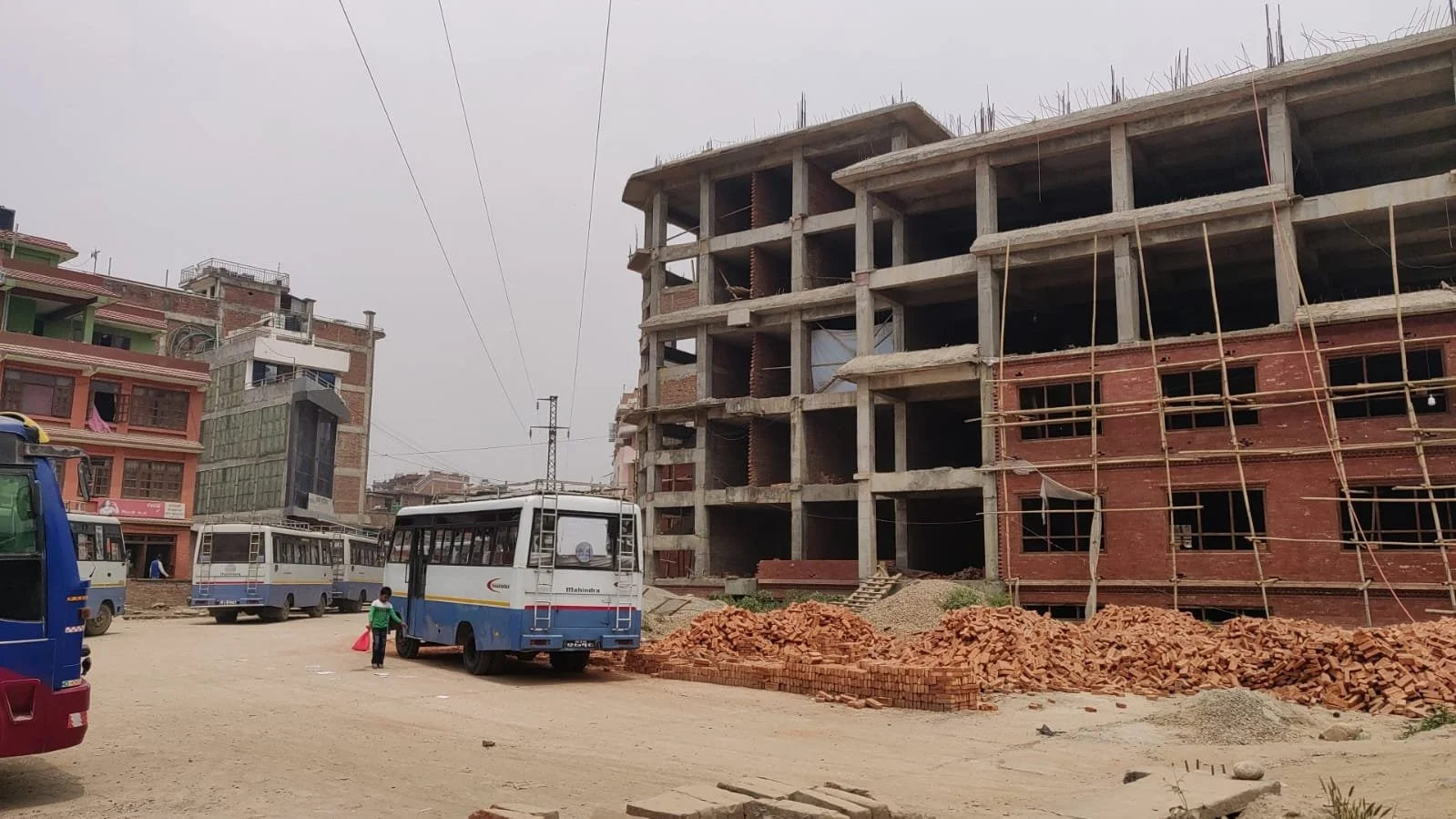
How is it that we have such diverse landscapes, climates and cultures on our planet and still built the same way?
Concrete, steel, and brick construction became a symbol of modernity and progress across the global majority — they rise fast, are easy to build, and promise stability. Since these materials are so resilient, it has become possible to no longer consider the context.
But this also means that comfort no longer comes from smart, contextual design, but from expensive technologies, such as air conditioning, mechanical ventilation, and heating systems. Those with money can afford comfort and those without not.
Still, this way of building has become such a social ideal of progress that families save for years, hoping a concrete house will bring dignity and security. Yet without the money to build and maintain it properly, they end up with homes that are hot, damp, and costly. What was meant to represent progress has become a system that turns aspiration into inequality.
How did we get here…
Over centuries, Architecture was a portrait of one country's culture, climate, and landscape, but this changed in the 15th century with the colonisation of Africa, Asia, and America. This hierarchy imposed the coloniser's architectural style on the colonised. By glorifying the foreign architecture through palaces, plantations, and government buildings, the general belief became that Vernacular Architecture is primitive, outdated and inferior to Western Architecture. In the 20th century, globalisation replaced colonialization and with it introduced new materials and technologies like steel, concrete, and air conditioning. This architecture type was introduced with the promise of economic growth and a fruitful future.
However, this invasive practice is responsible for…
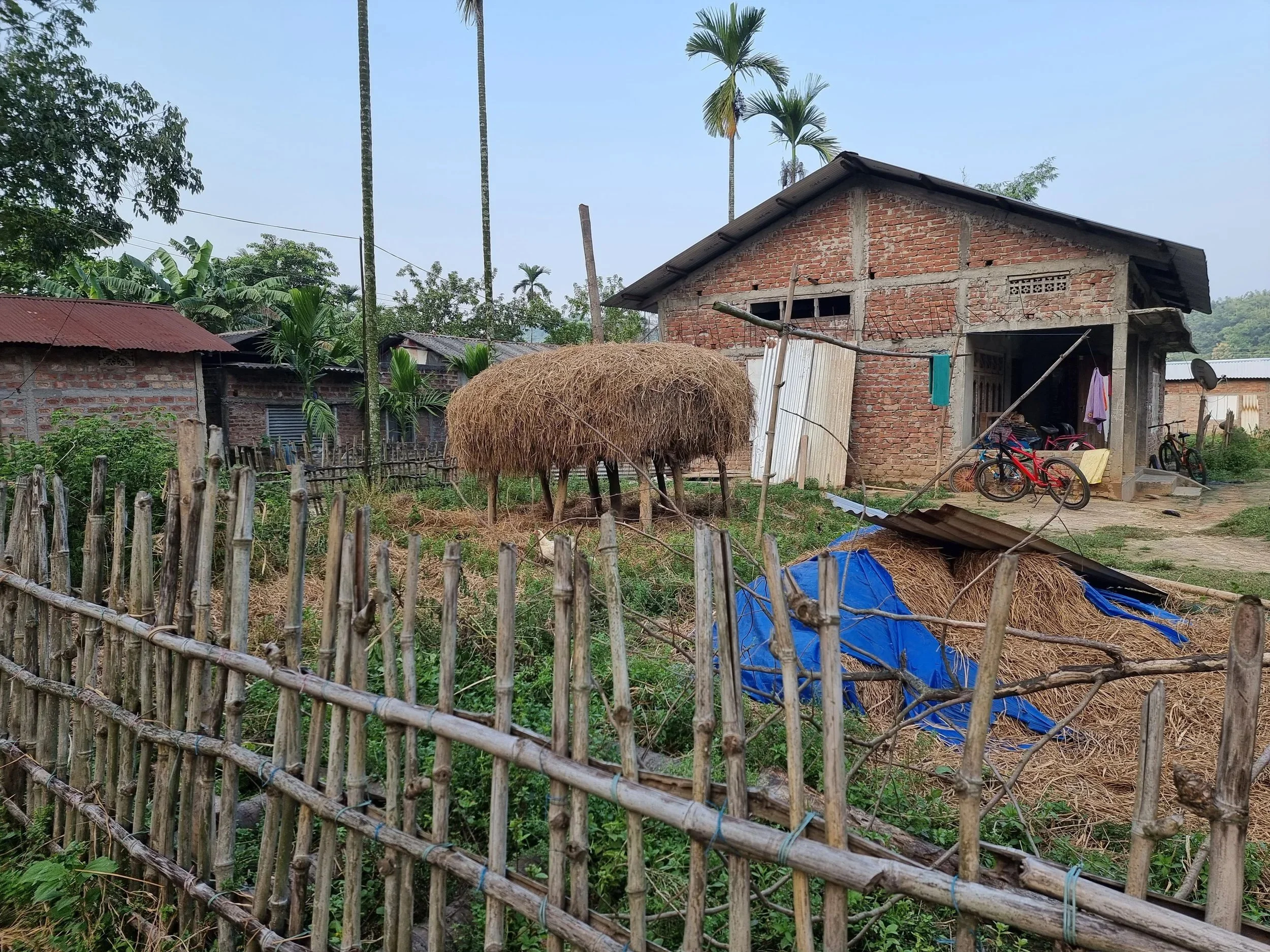
Division & Dependency
-
Concrete is the world's second-most consumed material after water, with humanity using approximately 30 billion tonnes annually, equivalent to 4 tonnes per person. This massive consumption accounts for roughly 30% of all materials extracted globally by mass, including mining, oil drilling, agriculture, and forestry combined. The cement industry alone emits 2.5 billion tonnes of CO₂ annually (around 8% of global emissions), making it the third-largest emitter globally if it were a country, behind only China and the United States.
-
According to the Global Estimates of Modern Slavery: Forced Labour and Forced Marriage(2022) by the International Labour Organisation (ILO), construction ranks among the world's highest-risk sectors for modern slavery. Of the 27.6 million people trapped in forced labour globally, construction is one of just five sectors accounting for nearly 90% of all cases, alongside services, manufacturing, agriculture, and domestic work.
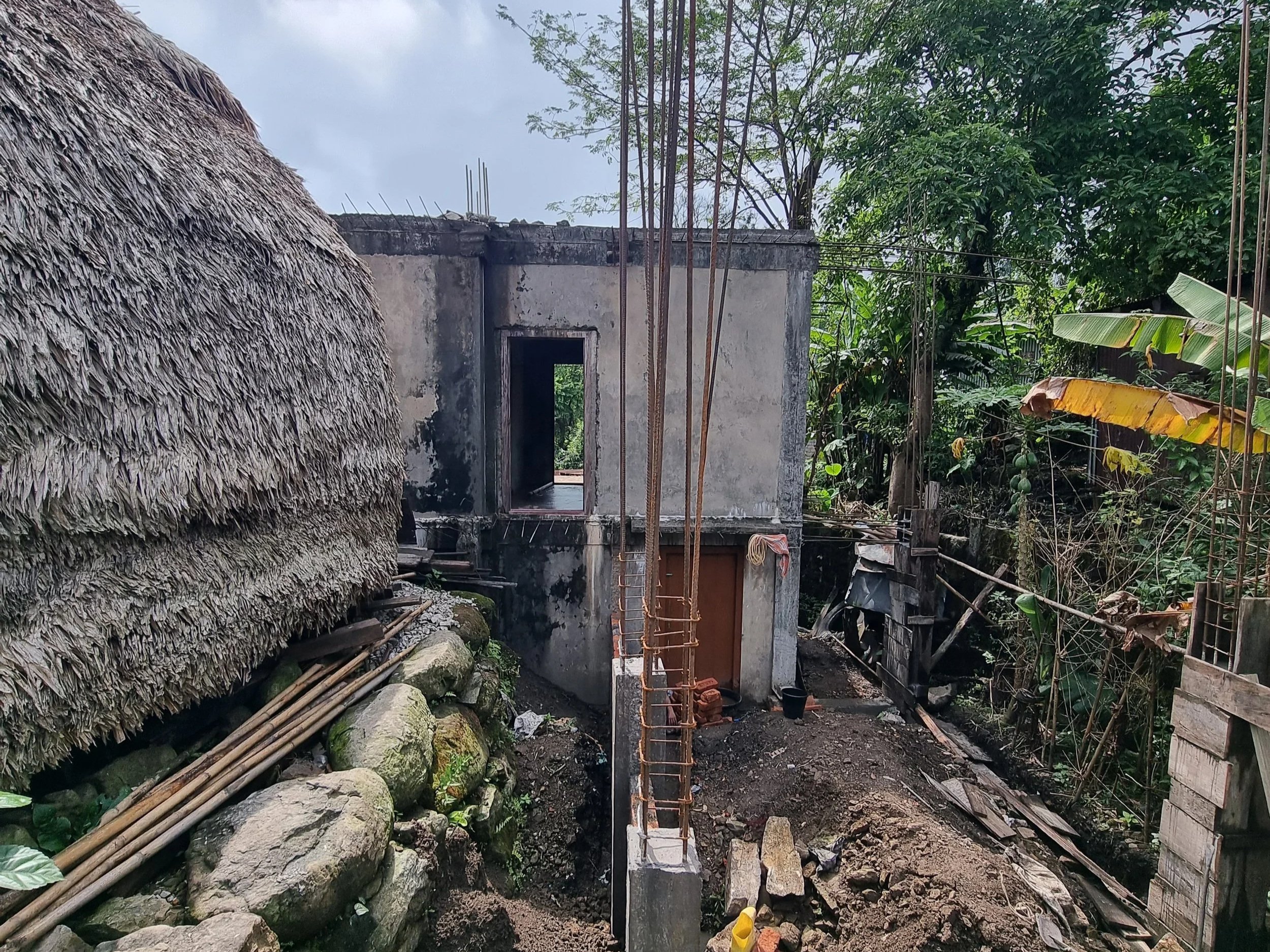
Exploitation of Nature & People
-
According to the 2018 Global Status Report for Buildings and Construction from the UN Environment Programme (UNEP) and the Global Alliance for Buildings and Construction (GlobalABC), the buildings and construction sector accounted for 36% of global final energy use in 2017.
This includes energy used for building operations and the manufacturing of building materials.
-
According to the International Energy Agency (IEA), 2.8 billion people live with an average daily temperature above 25 °C, yet less than 10% have AC today, indicating a significant cooling access gap.
The World Health Organisation notes that heatwaves already kill tens of thousands annually, and that cooling access is becoming a life-or-death factor.
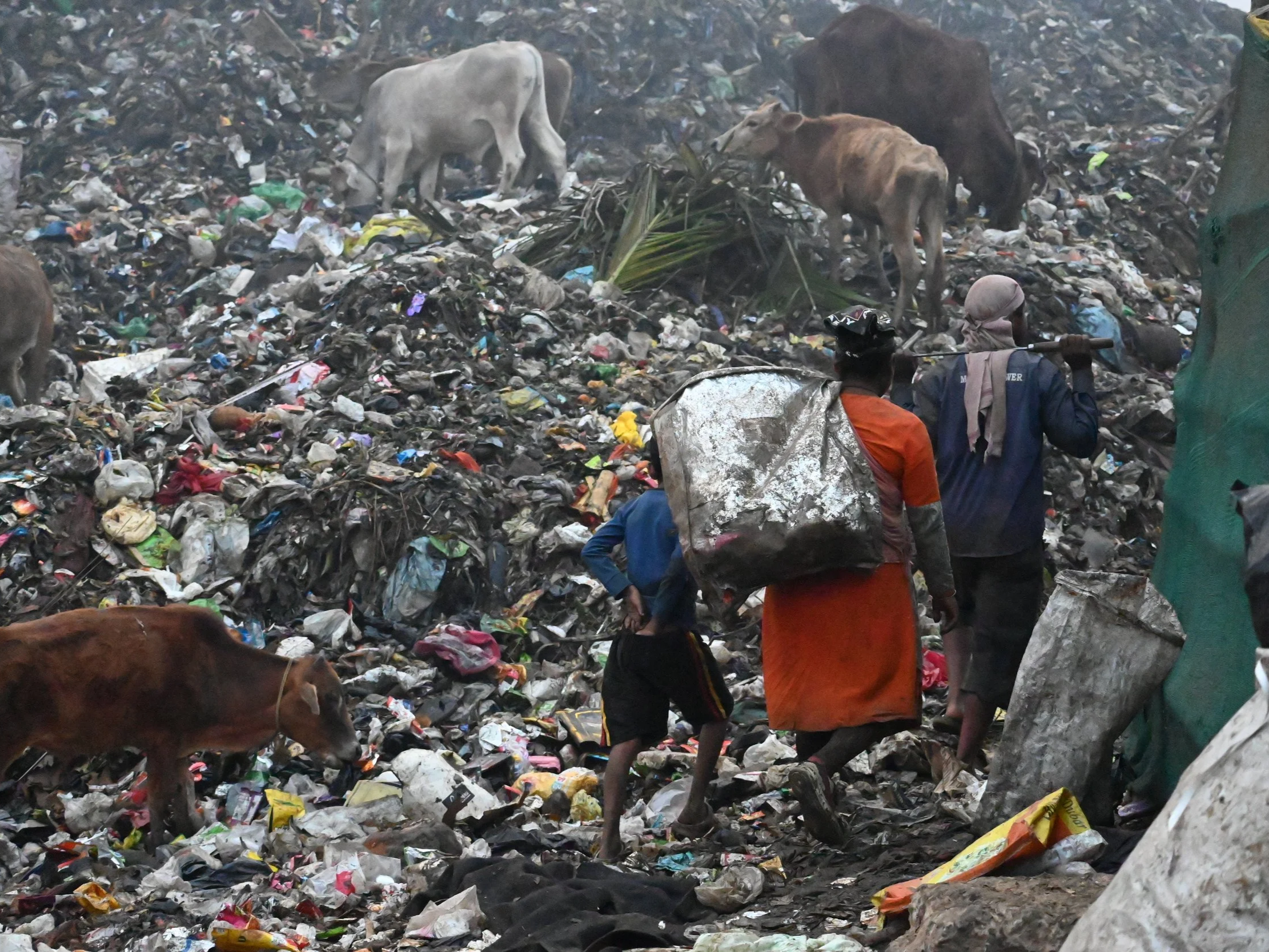
Waste & Pollution
-
According to the Global Status Report 2024 by the Global Alliance for Buildings and Construction (GlobalABC), the construction and demolition sector generates over 2 billion tons of waste every year, more than 30% of the world’s total solid waste, making it one of the largest contributors to global resource depletion and landfill pollution.
-
According to the 2019 Global Status Report for Buildings and Construction by the Global Alliance for Buildings and Construction (GlobalABC), the combined emissions from building operations and construction-related processes in 2018 rose to approximately 39% of global energy- and process-related CO2 emissions. Of this share, around 28% came from building operations (such as heating, cooling and lighting) and about 11% stemmed from embodied carbon in materials and construction processes.
Our Theory of Change
Guided by UNESCO’s Education for Sustainable Development (ESD) for 2030 framework and SDG 17 (Partnerships for the Goals), we partner with local architects, builders, educators, and youth to co-design and construct schools and public spaces that teach sustainability by living it. Research from UNESCO shows that communities learn most effectively when education connects directly to real-world experience. ESD calls for learning environments where learners learn what they live and live what they learn
Build for Change helps to achieve this philosophy by making each project a living classroom where sustainable materials, local wisdom, and inclusive design turn learning into action. This approach builds the knowledge, empathy, and practical skills that UNESCO identifies as the foundation of transformation, helping individuals and communities make informed choices, strengthen resilience, and shape equitable futures.
The Cornerstones of our Approach
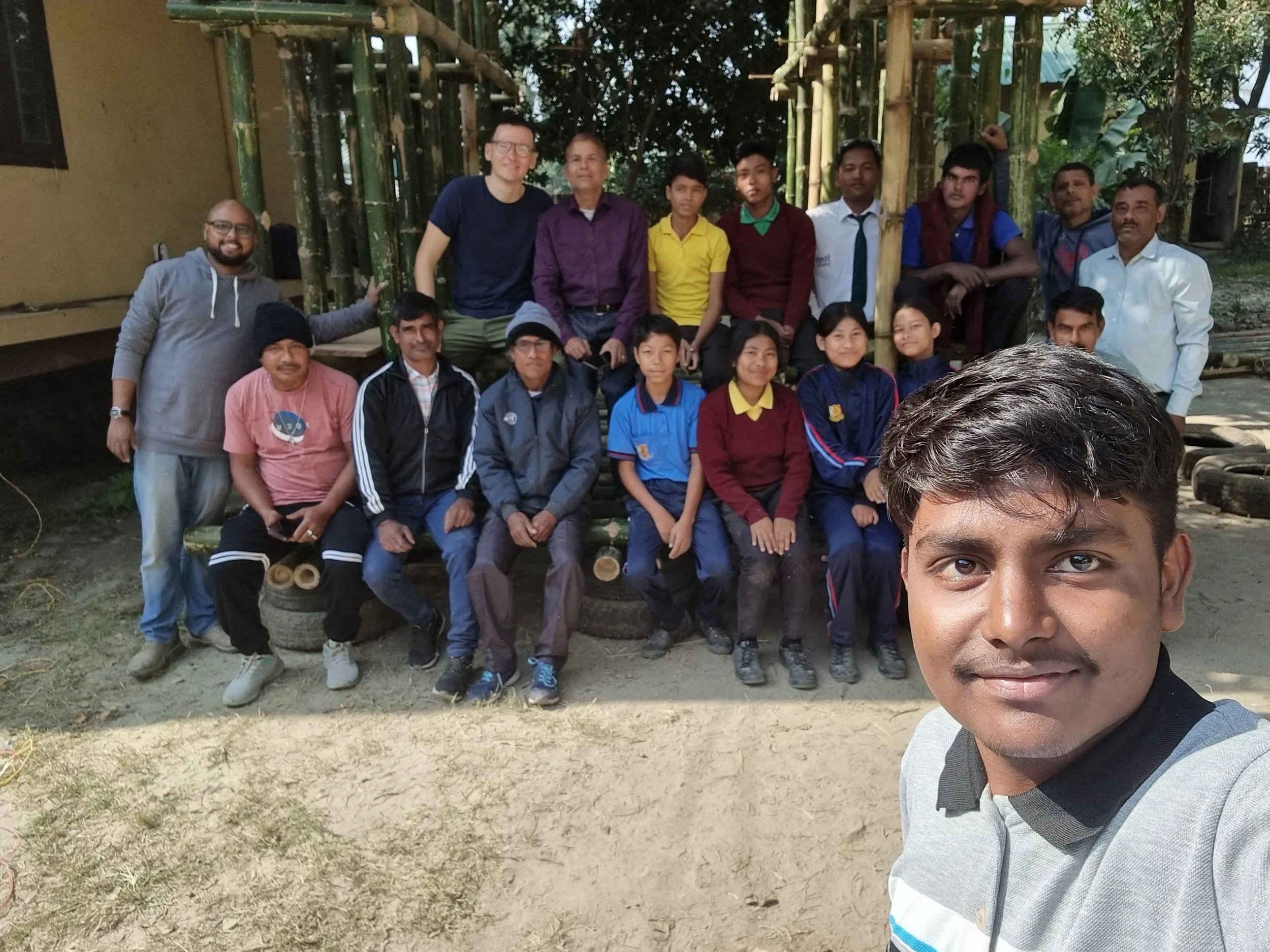
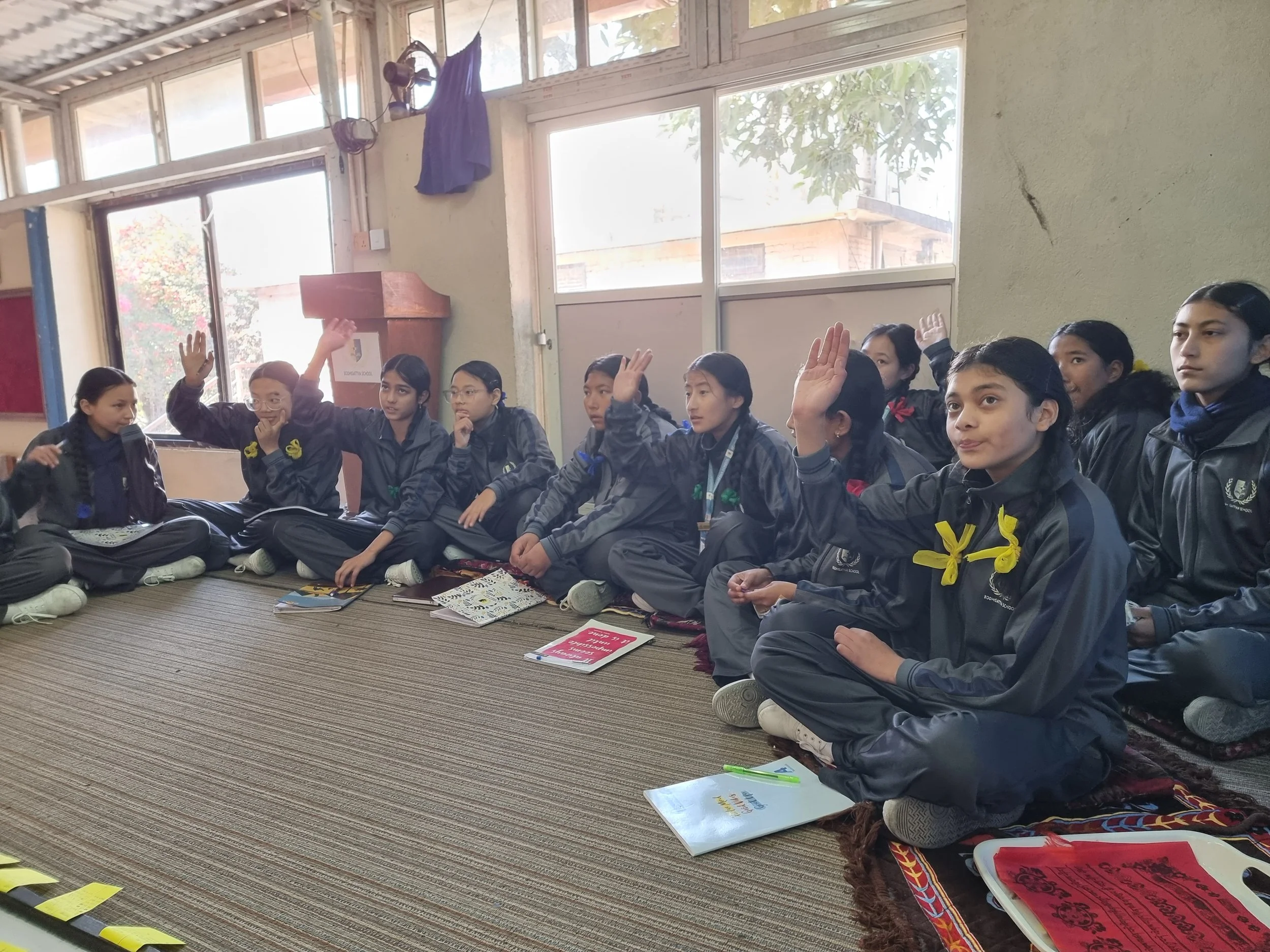
Collaboration
uniting global & local expertise
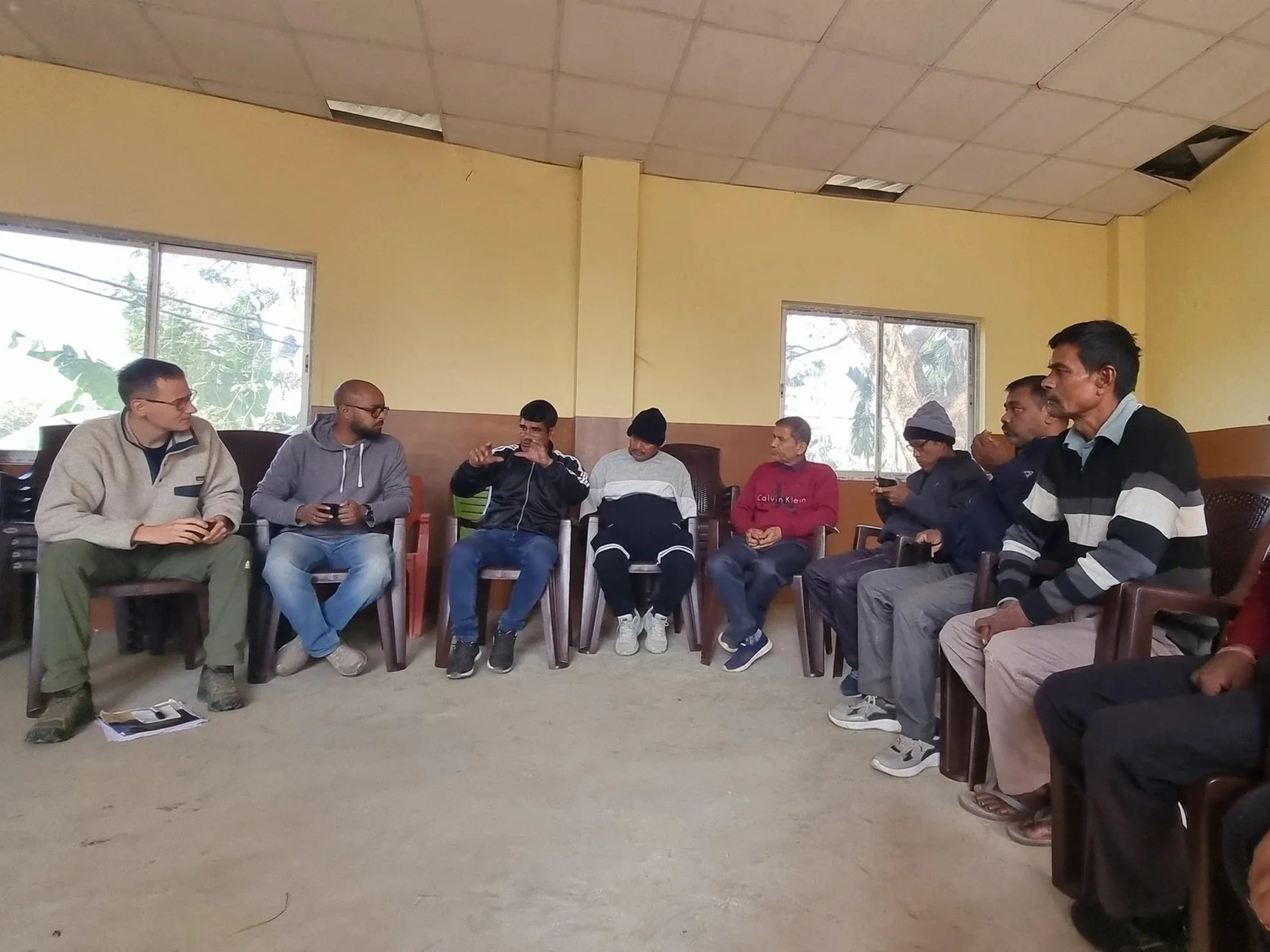
Dialogue
eye-to-eye level discussions
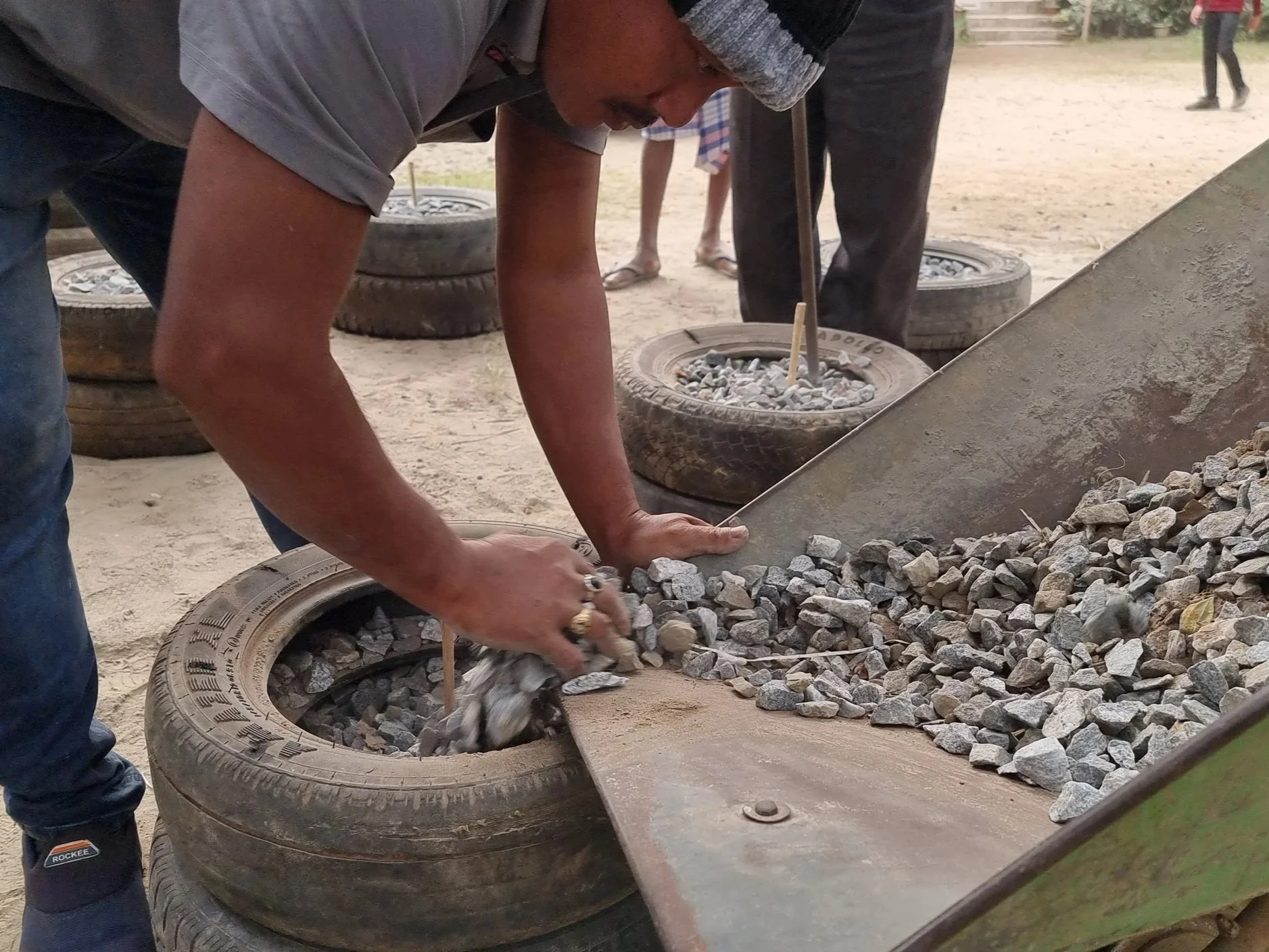
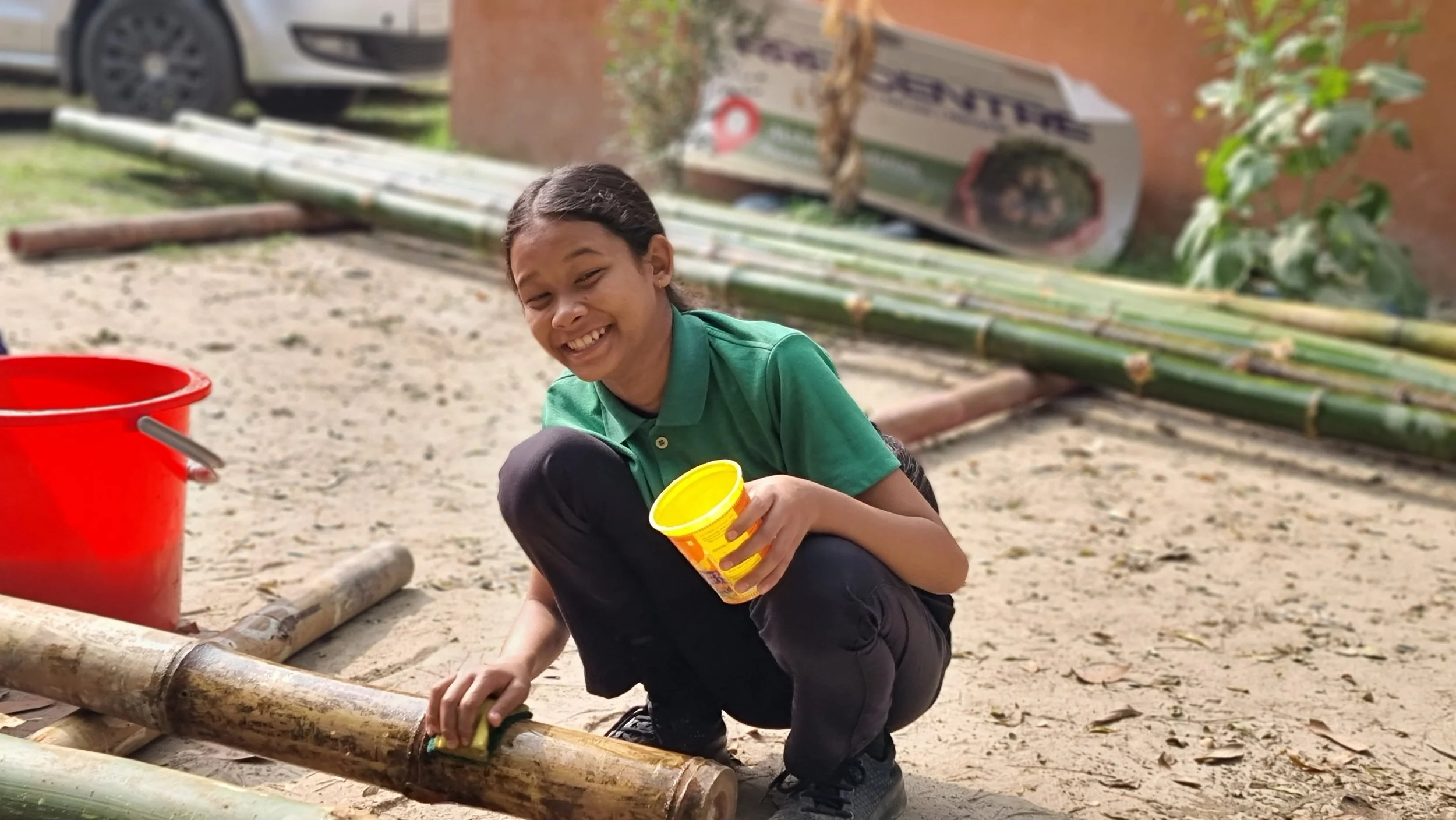
Circularity
repurposing of waste materials
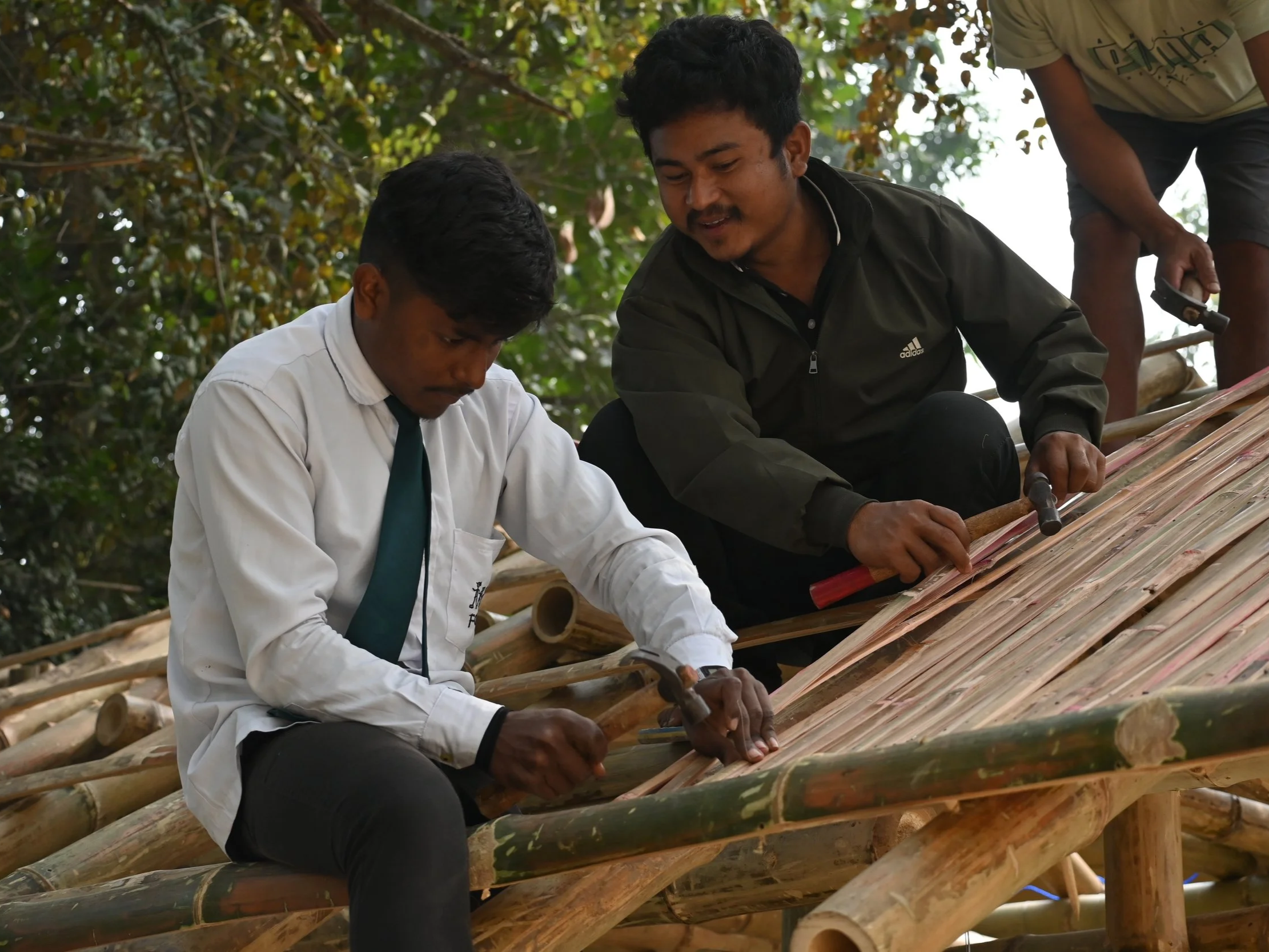
Contextual
local materials & craftsmanship
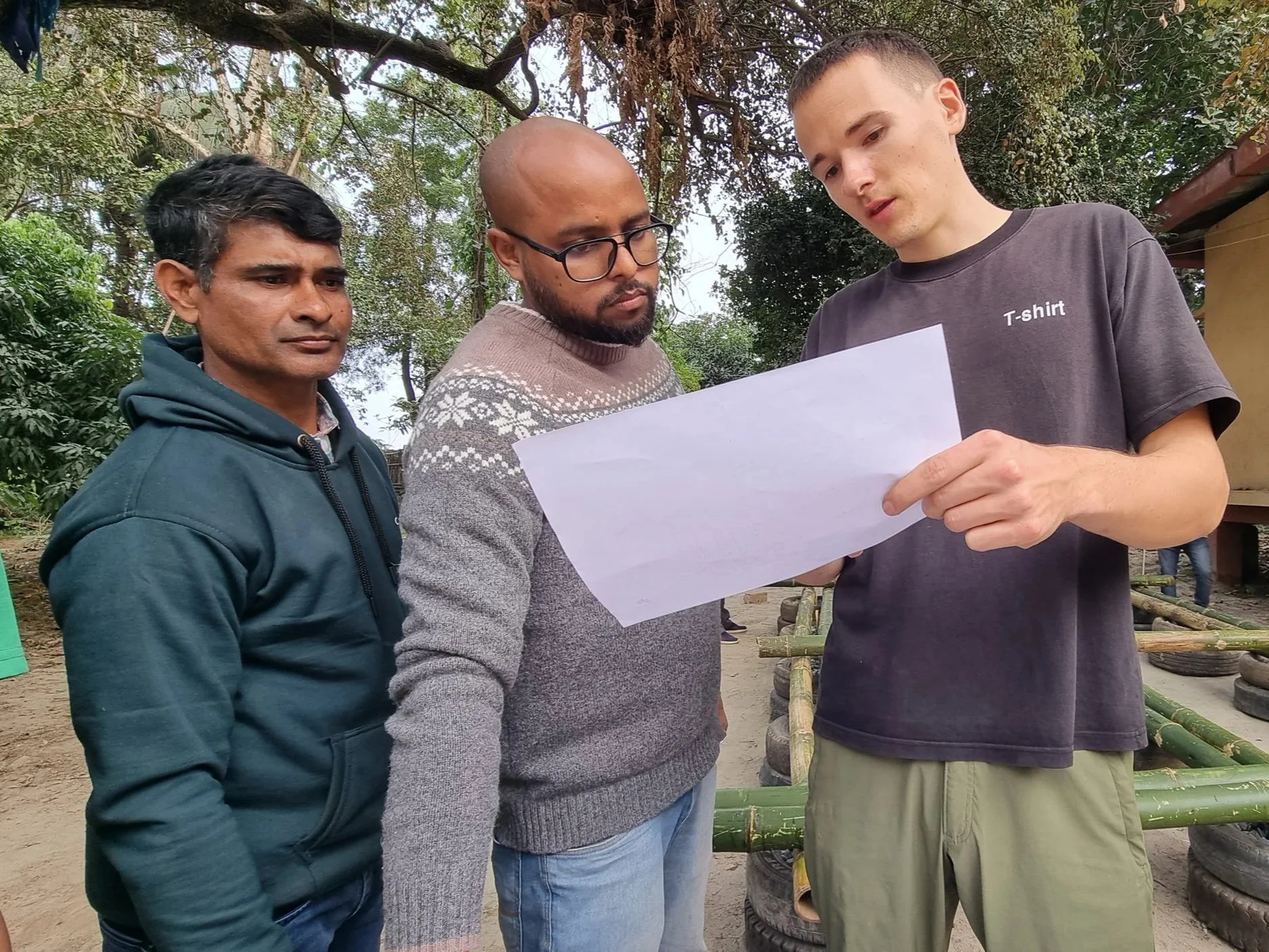
Synergy
modern planning & building methods
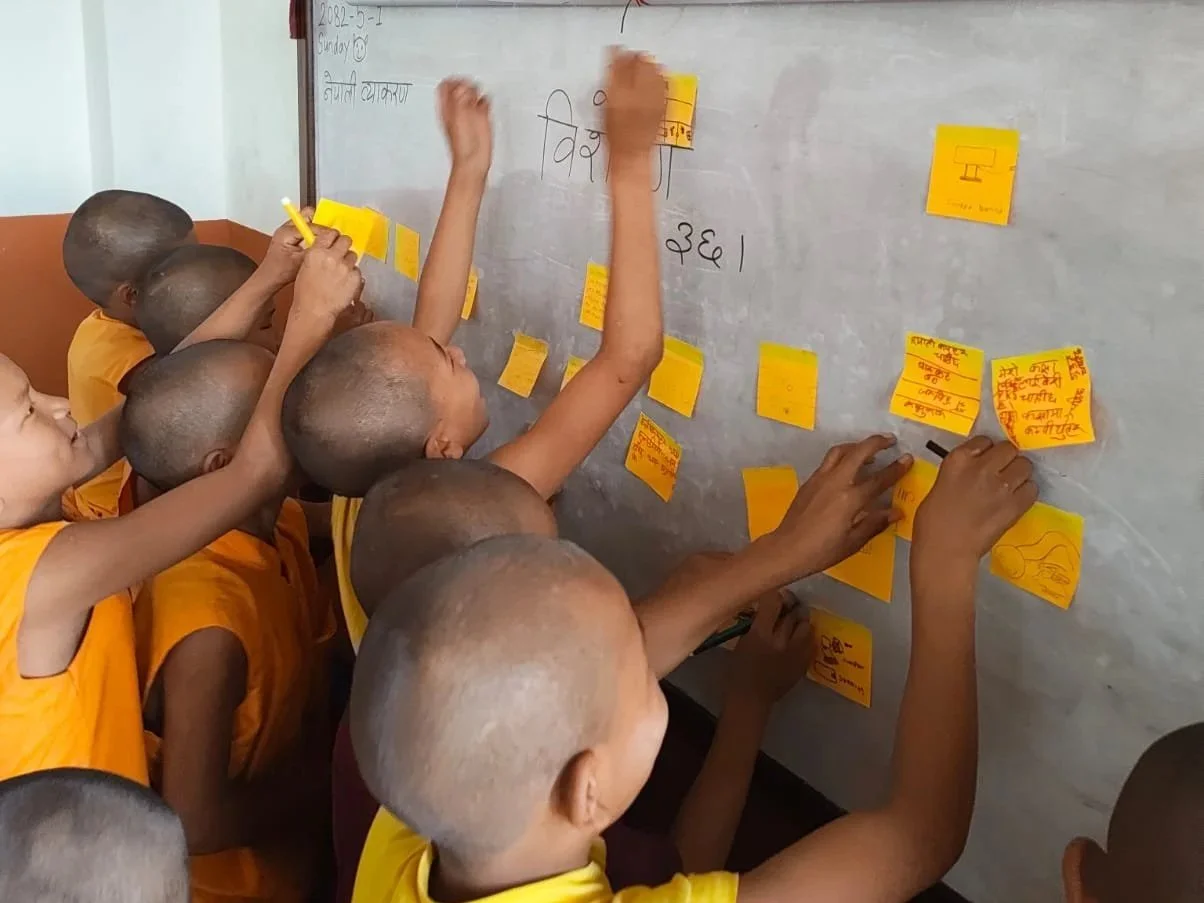
Co-creation
including the user in the design process
Planting the seed to change an Industry
We collaborate closely with local architects, designing together and sharing perspectives that merge global and local knowledge.
By supporting their work financially, we help ease the pressure that comes from juggling too many projects or side jobs. This gives space to slow down, reflect, and explore the deeper questions of architecture, questioning existing practices and shaping new, grounded ways of building.
Projects of Build for Change
Impact

projects completed
001

students impacted
250

young architects supported
003
Testimonials
-
![Smiling woman with curly hair and glasses in a cozy, well-lit indoor space.]()
Riya - Akshar School Student
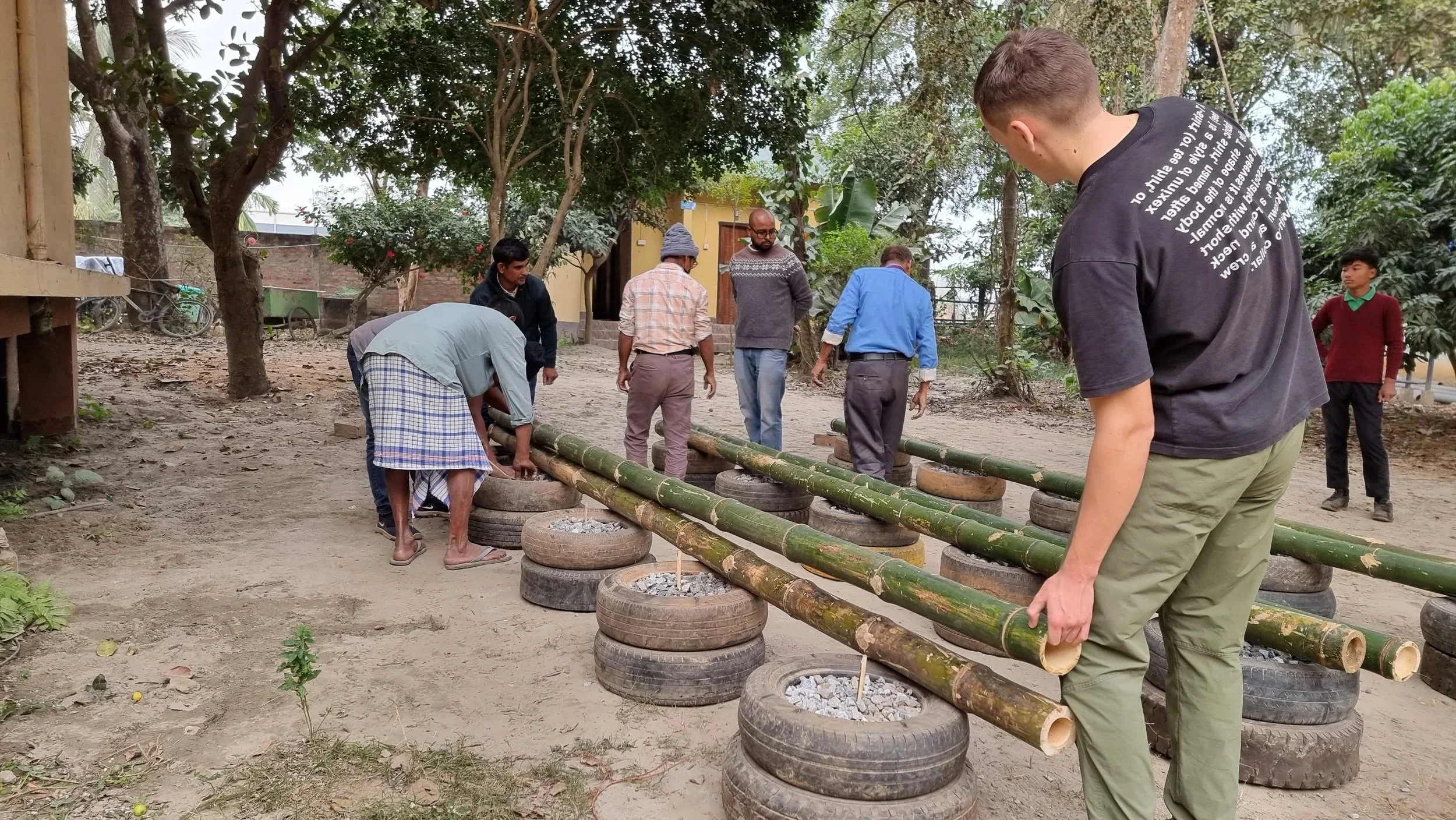
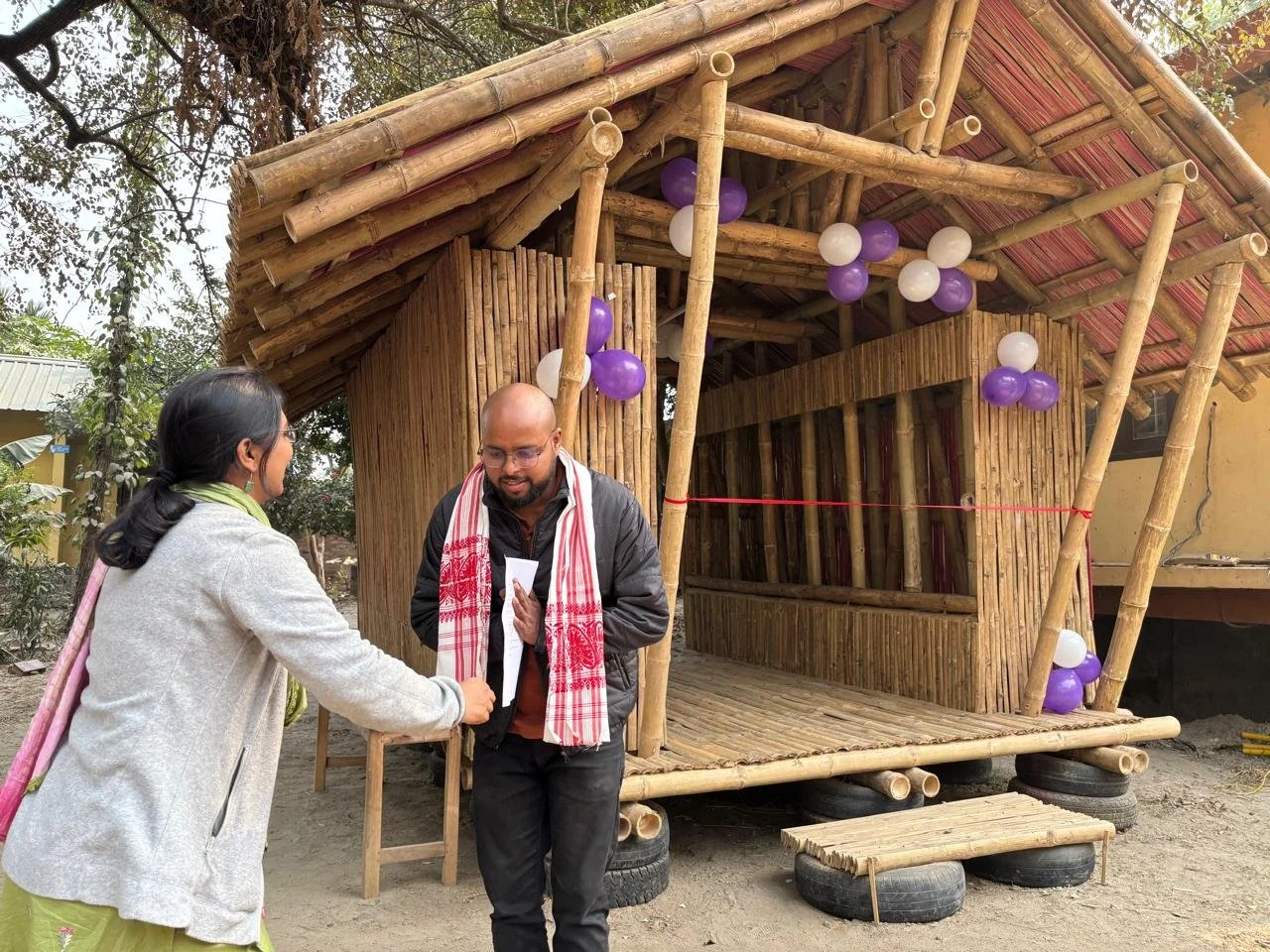
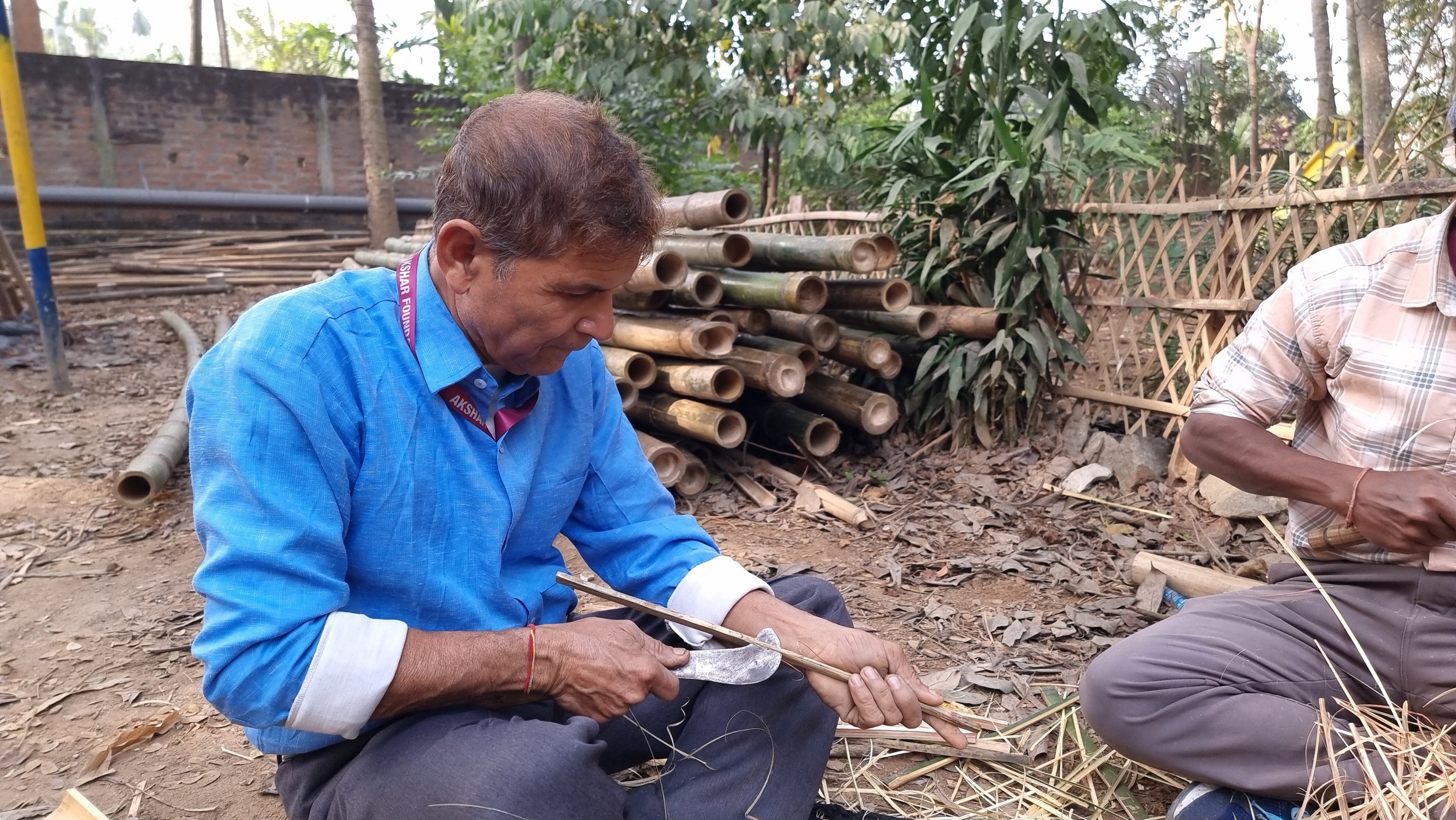
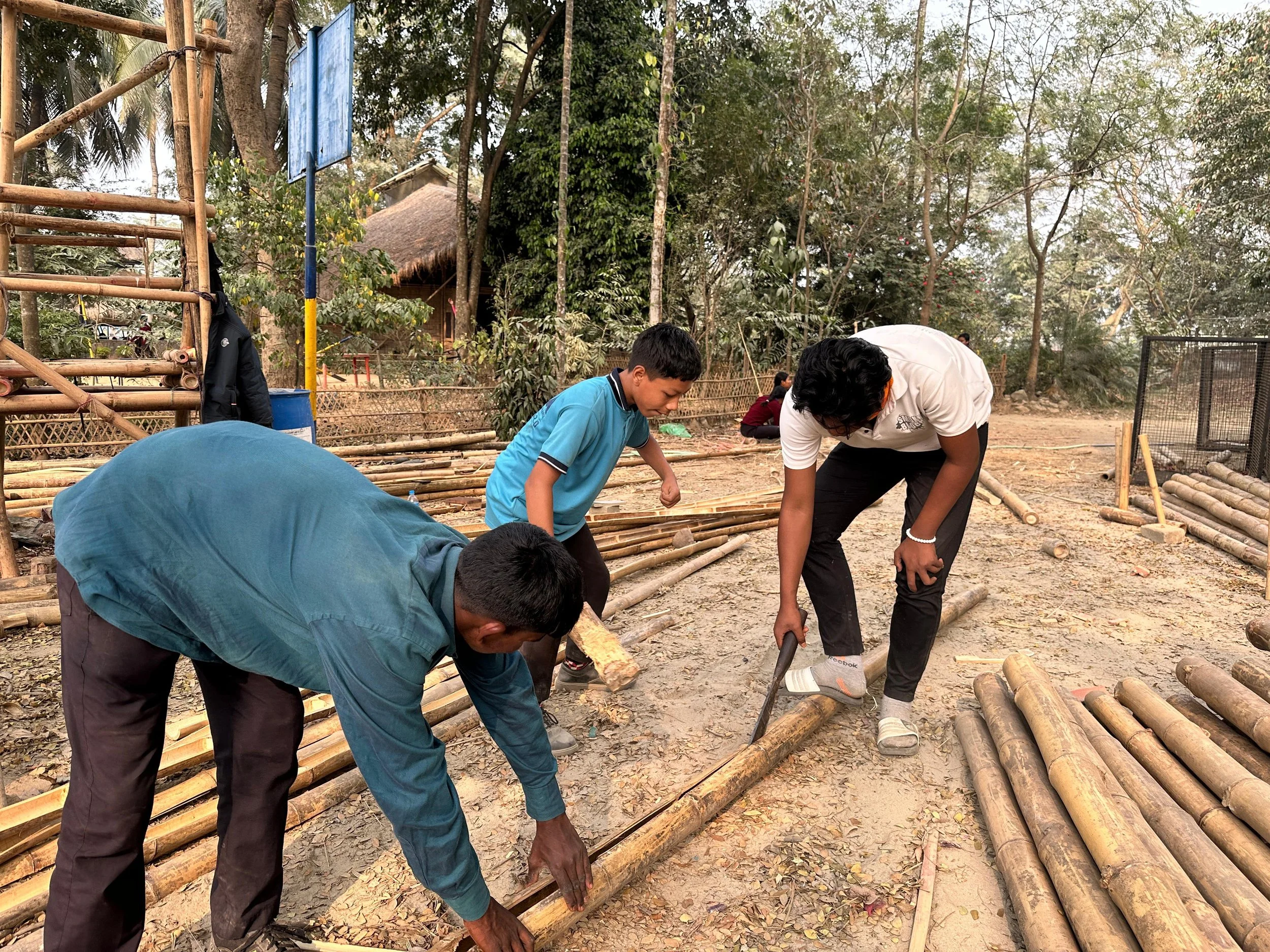
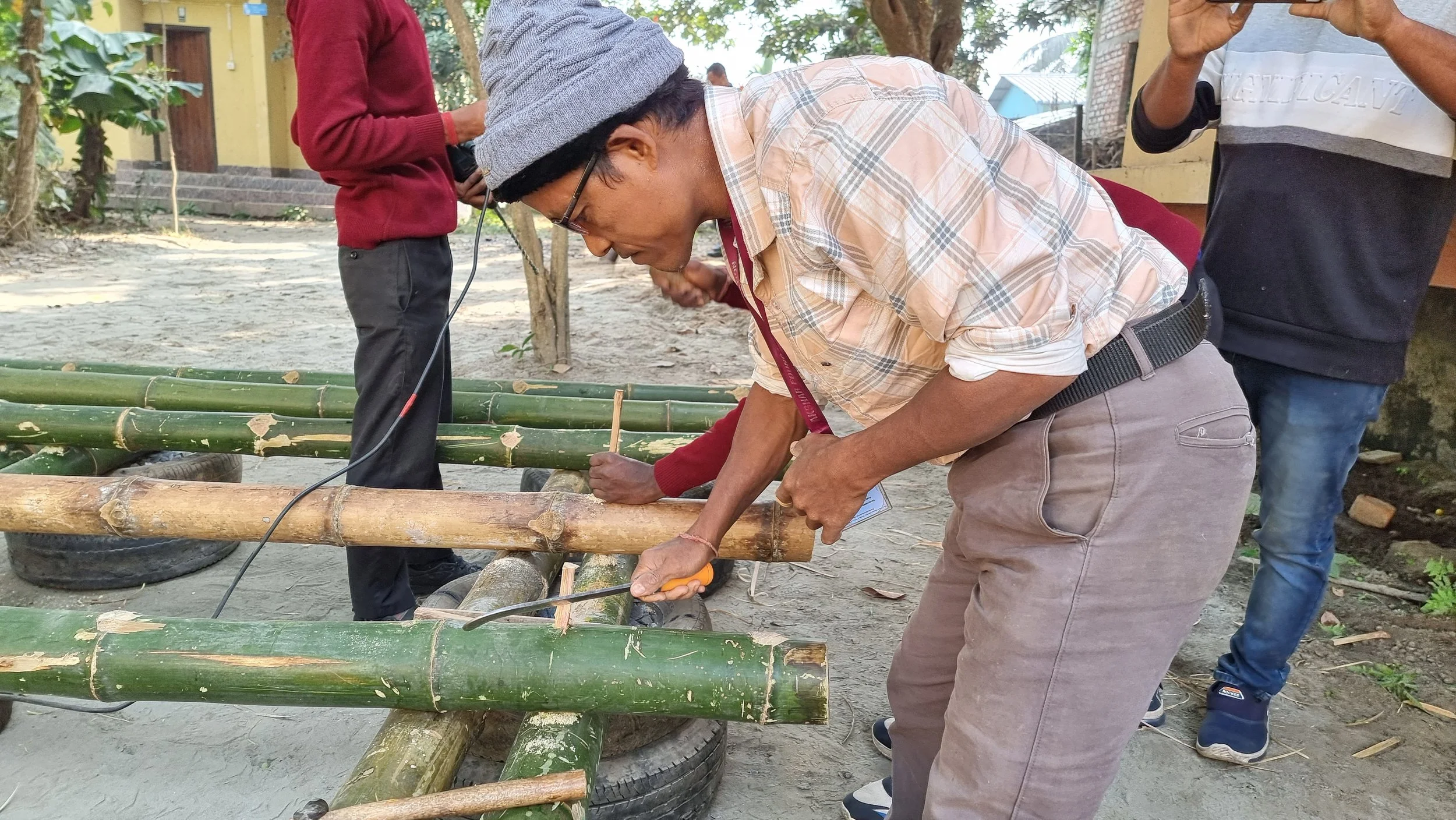
I look around Assam today and I don't feel good. We are cutting down our trees and blocking the water paths just to build concrete buildings. That is why the floods are destroying us. But working on this project changed how I see my future. We didn't use bricks; we used what others called 'trash'—old tires, plastic waste, and treated bamboo. I realized we don't need to destroy nature to build a home. Bamboo is sustainable. It protects us. If I can build a house, I want to build it like this.
-
![Smiling woman with black hair in a blue top, surrounded by green plants.]()
- Craftsman Assam
We spend our life savings building heavy concrete homes (Poka Ghar). But in Assam, when the floods and erosion come, those concrete houses sink, and our money sinks with them. This workshop taught me a smarter way. Because of the special technique using nuts, bolts, and treated bamboo, this house is not just strong—it is movable. If the land erodes, we can dismantle our home and save it. Concrete cannot do that. This is the only safe investment for our future.
-
![]()
- Akshar School Student
Everyone thinks concrete is better, but is it? If a concrete wall cracks, it costs a fortune and takes weeks to fix. But with this natural method, if something breaks, we can repair it ourselves quickly. It’s just smarter. Plus, concrete houses turn into ovens in the summer—you need AC and electricity just to live in them. This bamboo house stays cool naturally. We are saving money, saving electricity, and building safer homes. Why make things complicated and expensive when the natural way works better?
-
![A man with dark curly hair, glasses, and a beard looking to the right, wearing a dark sweater, with a plant and white wall in the background.]()
- Craftsman Assam
I have lived in Assam my whole life, and I know the problem with bamboo: insects eat it, and water rots it. That is why everyone wants concrete. But this workshop changed my mind. I learned the science of 'Treatment.' By using recycled tires at the base, we keep the bamboo away from the damp soil. I realized that if you build this way, a bamboo house doesn't just last a few years—it can last a lifetime. Concrete is hot and expensive; this is the smart way to build.
Collaborators of
Build for Change


Sherpa Architects
Kathmandu, Nepal
We’re proud to collaborate with Sherpa Architects, a young and dedicated design firm based in Kathmandu. Their ambitious team brings fresh energy and a deep commitment to rethinking architecture in Nepal.
Together, we explore how design can grow from local traditions, user needs, and site conditions, creating architecture that is both sustainable and culturally grounded.
-
![A young man with black hair and glasses standing with arms crossed in front of a brick wall, wearing a white shirt and black cardigan.]()
Pasang Kaji Sherpa
FOUNDER - ARCHITECT
-
![A young woman with long, wavy brown hair smiling, wearing a cream-colored off-shoulder top and gold earrings, standing against a plain background.]()
Anisha Basnet
ARCHITECT
-
![A young woman with long black hair, wearing hoop earrings and a light green traditional Indian kurta, standing outdoors.]()
Kritika Budhathoki
ARCHITECT
-
![Smiling young woman with black wavy hair, wearing a yellow long-sleeve shirt, standing outdoors in a residential area.]()
Sonam Tashi Sherpa
INTERN