Bamboo Store - Akshar School
Pamohi - Guwahati, India
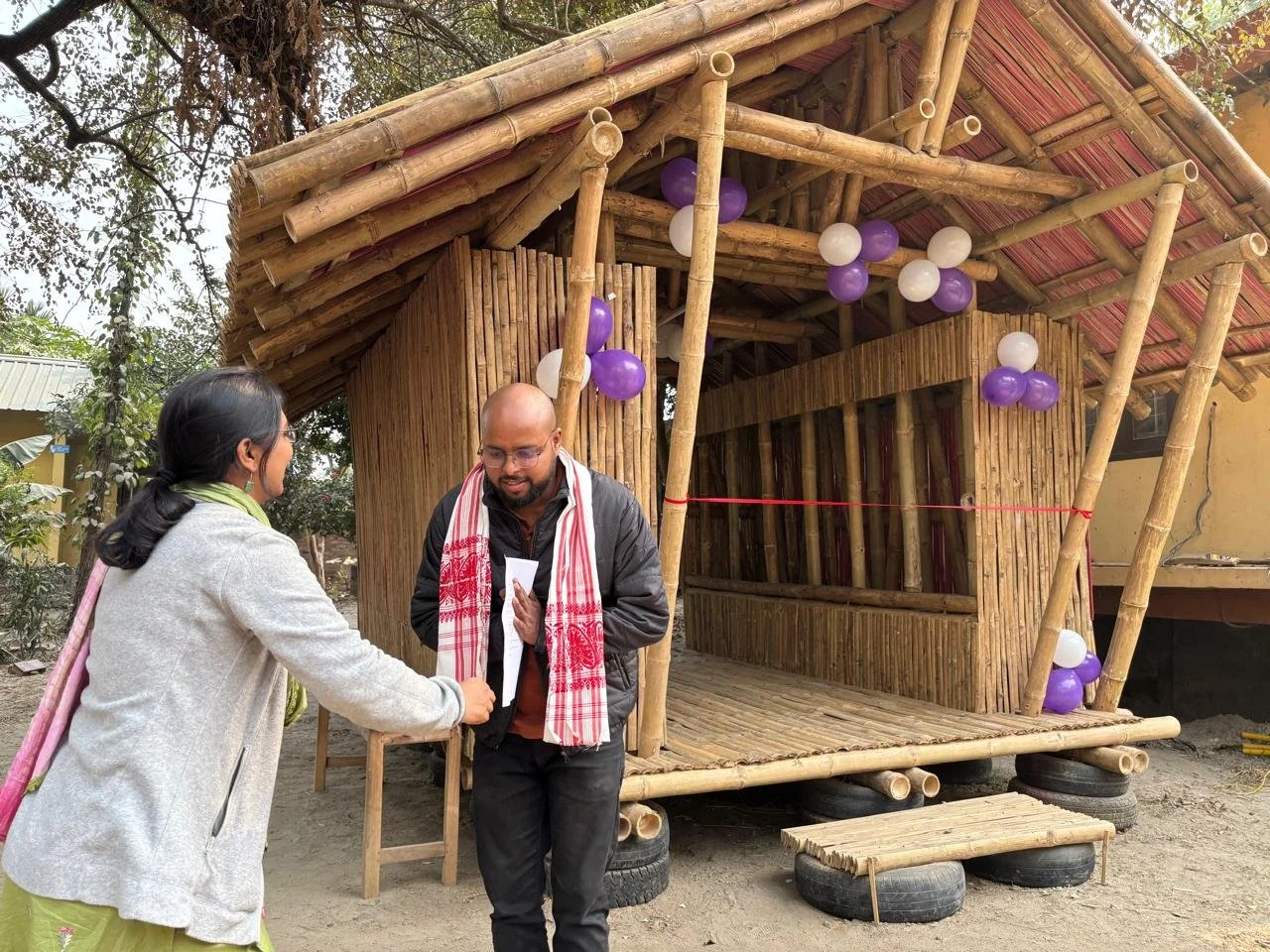
This small store, built for the Akshar School in Pamohi, Guwahati, is a hut-like structure made from bamboo, old car tyres, and recycled plastic, showcasing the potential of local resources and the creative reuse of waste in a region increasingly burdened by it. Realized through two hands-on workshops with students and local craftsmen, the project served both, as a practical learning experience and as a statement against unsustainable, Western-inspired building practices, offering a culturally rooted and ecologically mindful alternative.
Finished Construction and Ceremony
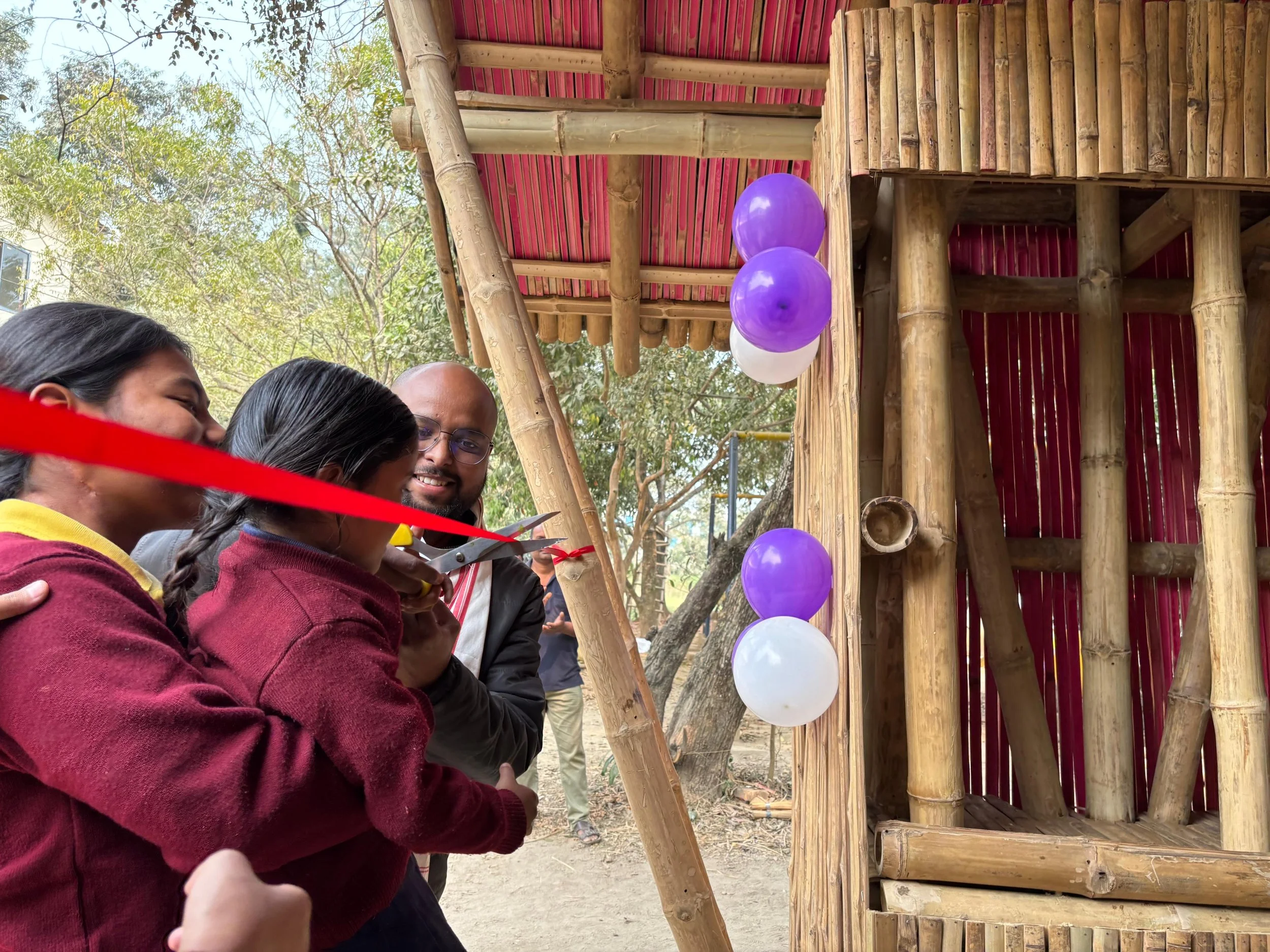
The Build for Change team sadly couldn’t be there in person for the opening of the Bamboo Store at the Akshar School, but the celebration was nothing short of joyful! Representing the team, Hirok Kaushik officially opened the store, bringing the ceremony to life with his energy and dedication.
As part of the event, we also handed out certificates to the students, celebrating their participation and achievements throughout the workshop series. It was a wonderful way to see their hard work and creativity come to fruition.
A heartfelt thanks to everyone who made this project possible. And a special shoutout to Hirok Kaushik for his unwavering commitment, positive spirit, and for bringing so much joy to this milestone moment. The Bamboo Store isn’t just a building; it’s a symbol of learning, collaboration, and community coming together.
2nd Workshop - Construction
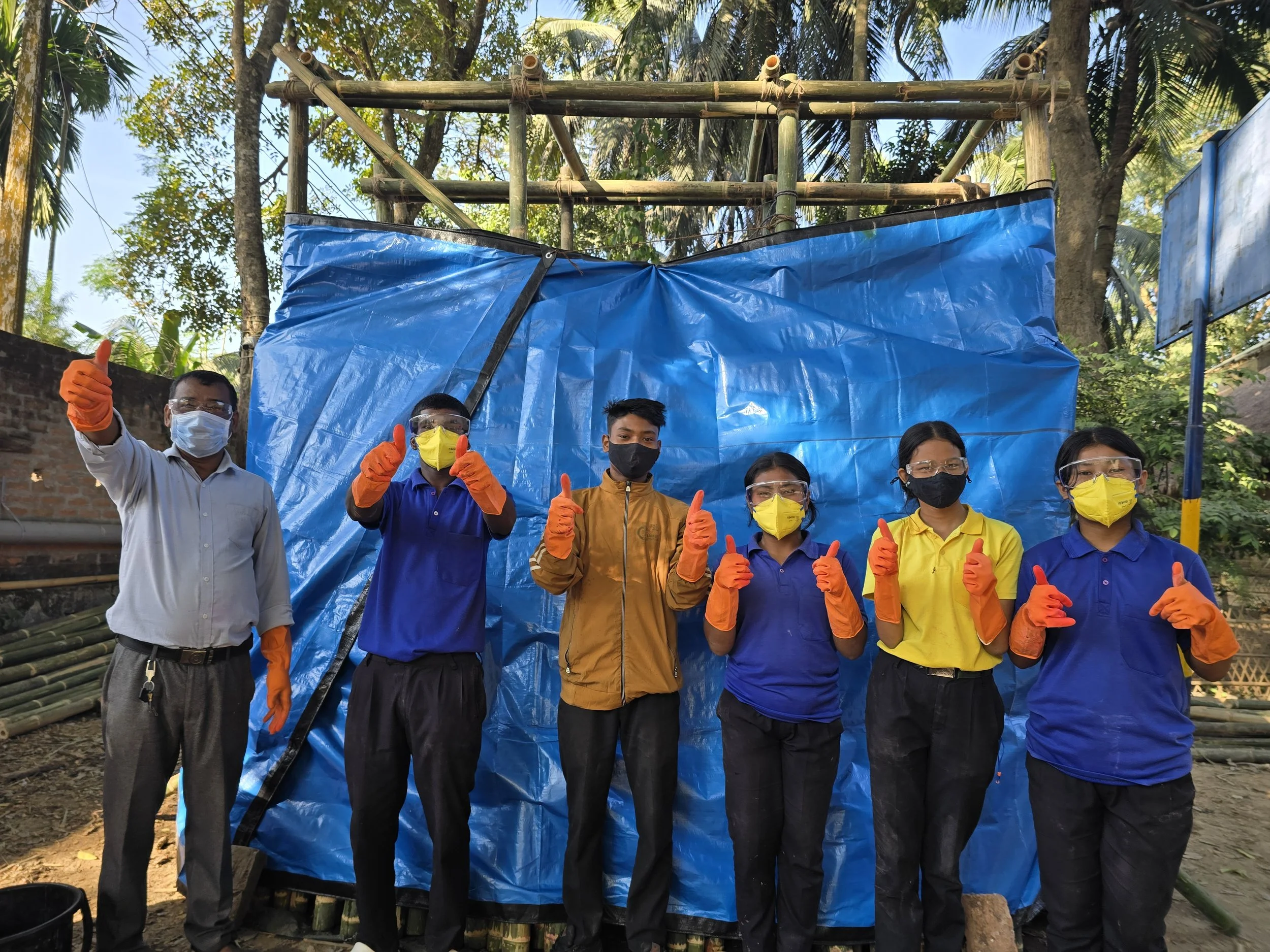
During our second workshop, which stretched over two weeks, the Build for Change team, together with local architect Hirok Kaushik, presented the design to students and local craftsmen. Over multiple sessions, they constructed the store and discussed various techniques that the Build for Change team introduced for this project.
The craftsmen were amazed at how sturdy the old car tyres filled with gravel turned out to be. We also took time to listen to everyone’s opinions, and, more importantly, encouraged participants to challenge our ideas and speak their minds freely. This was particularly meaningful in the Indian context, where traditional hierarchies can sometimes limit open dialogue. Creating a space where every voice could be heard was one of our key goals.
The students, in particular, showed great ambition and dedication, working very hard throughout the process. It was inspiring to see some of them take leadership roles, guiding younger participants through different tasks. One memorable example was Riha, one of the girls, who naturally stepped into a leadership role, managing a group of younger students as they cleaned and prepared the bamboo poles. She made sure the work was done carefully while also taking care of her team. When the sponges became too worn out to use, she came to us on her own initiative to explain what her team needed to continue efficiently. Her sense of responsibility and care really stood out to all of us.
Another standout participant was Rahul, whose kindness and strong work ethic deeply impressed the Build for Change team. By the end, he had taken on the role of construction oversight assistant.
Overall, it was a rewarding project, with its natural ups and downs, of course, but in the end, we not only completed the construction of the store but also grew closer as a community. We shared ideas, learned from each other, and created memories that we will cherish and carry forward on our life journeys.

1st Workshop - How to treat Bamboo
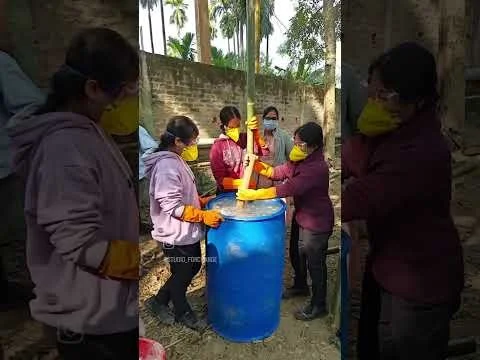
During our 1st workshop at the Akshar School, the Studio for Change team, along with local architect Hirok Kaushik, taught students and local craftsmen how to treat bamboo using the vertical soak and diffusion method. This hands-on session explored sustainable techniques to strengthen and preserve bamboo, offering practical skills for future builders and craftsmen.